
Packing lunch can save money and give you more control over what you eat. It can also feel like a chore. This guide offers ideas and tips to make it easier, and covers food safety so your lunch stays safe until you eat it. It is general information, not dietary advice.
This is educational information, not medical or dietary advice. Talk to a doctor or registered dietitian about your own needs, especially if you have a history of disordered eating.
Start with a template
Use a simple formula so you do not have to start from scratch every day:
- A main: sandwich, wrap, grain bowl, salad, soup, or leftovers.
- A vegetable or fruit.
- A crunchy item: crackers, nuts (if allowed), or popcorn.
- A drink: water or something you like.
- A treat, if you like.
See how to build a balanced plate for a visual guide.
Lunch ideas
- Grain bowls: rice or quinoa, beans, vegetables, and a sauce.
- Wraps and sandwiches.
- Pasta salad.
- Leftover dinner, reheated at work.
- Soup in an insulated container.
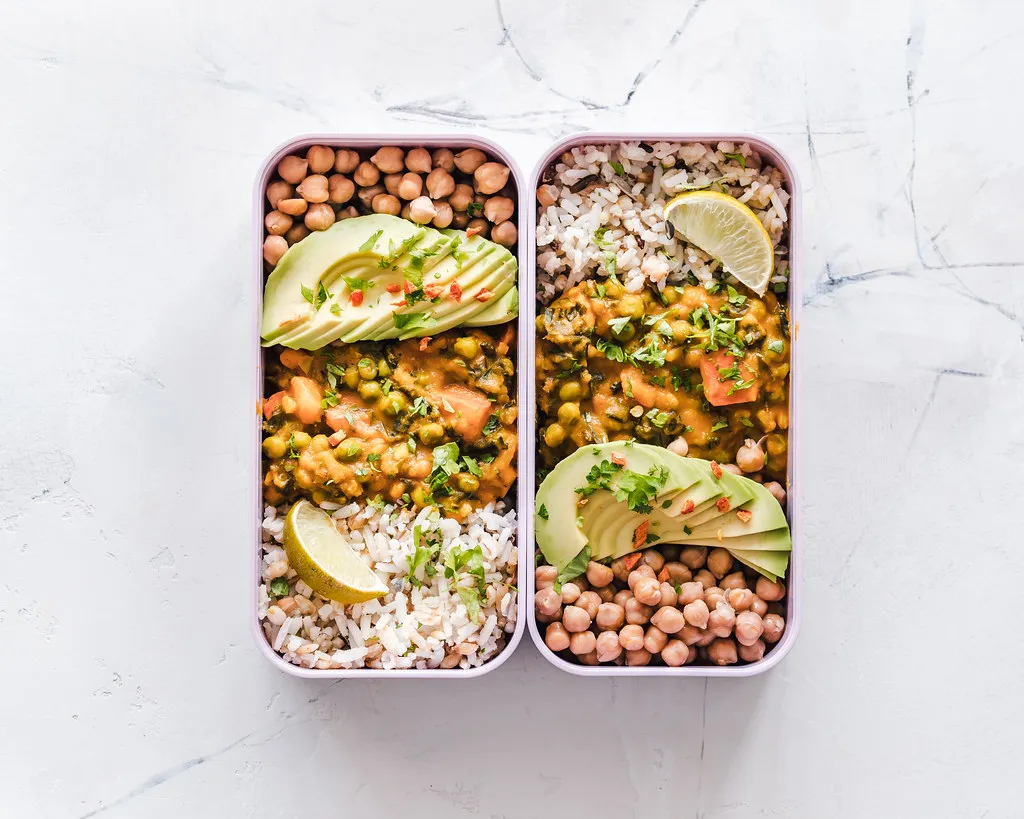
- Bento-style boxes with small portions of several foods.
- Salads with the dressing packed separately.
- Egg salad or tuna salad, kept cold.
- Snack plates: cheese, fruit, crackers, and veggies.
Choosing a container
- Leak-proof if it travels in a bag.
- Compartments keep foods separate.
- Microwave-safe if you will heat it.
- Easy to clean.
- Right size.
Bentgo says its MicroSteel Adult Lunch Box can go in the microwave for up to 10 minutes or the oven for up to an hour at 350°F, and describes the boxes as leak-proof, per the maker. Check the care instructions for any container.
Keep cold food cold, hot food hot
The USDA says perishable food should not be left out for more than two hours, or one hour above 90°F. If your lunch has meat, dairy, or eggs, keep it cold with an insulated bag and ice pack. Hot foods should stay at 140°F or above, in an insulated container, until you eat them. If it is not possible, choose shelf-stable foods like peanut butter sandwiches, whole fruit, and crackers. See food storage and leftovers safety.
Prepare ahead
Make lunch the night before, or batch prep on the weekend. Wash and cut vegetables ahead. Cook extra at dinner. See how to start meal prep.
Keep it interesting
- Rotate fillings and sauces.
- Add herbs or lemon for freshness.
- Use small sauce containers.
- Try a new recipe each week.
- Use a theme for each day.
Packing for kids
Check school rules on allergens. Use containers kids can open. Include foods they will eat. Involve them in choosing. Keep portions small. Cut foods into safe sizes. Be aware that whole grapes, popcorn, nuts, and chunks of hard foods can be choking hazards for young children, so follow pediatric guidance.
Allergies
If you pack lunch for someone with a food allergy, read labels, and avoid cross-contact. Check the school’s policy.
Drinks
Water is a good choice. A reusable bottle helps. See drinking more water.
Budget
Packing lunch often costs less than buying. Buy staples in bulk and use leftovers. See healthy eating on a budget.
Frequently asked questions
What is the easiest lunch to start with? Leftovers from dinner. Pack them into a container the night before. Add a piece of fruit and you are done.
How do I keep a lunch from getting soggy? Pack wet and crisp items separately: dressings in small containers, crackers in a separate section, and cut fruit in its own spot.
Can I pack lunch without a refrigerator at work? Use an insulated bag with an ice pack, or pick shelf-stable foods. Follow the two-hour rule for perishable foods.
The takeaway
Use a template, pack for safety, and keep it interesting. Our researched top-10 list lists lunch boxes and other gear with links to official pages. See also healthy snack ideas.