
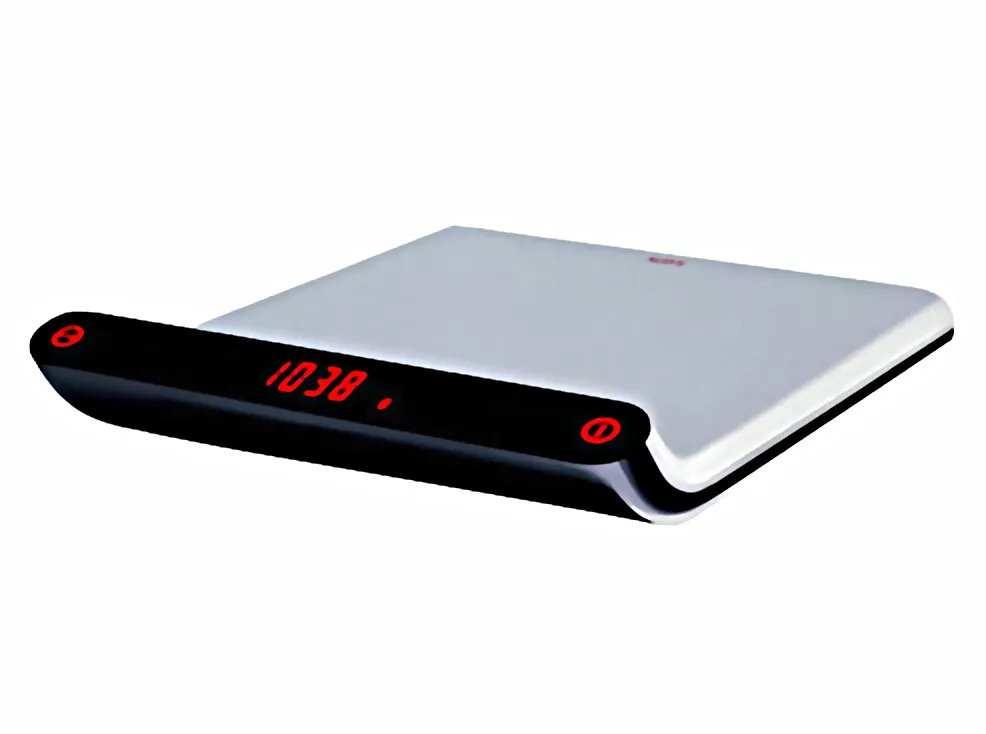
A digital kitchen scale is one of the most useful and least expensive tools in the kitchen. Many cooks buy one for baking, since weighing flour is more consistent than scooping a cup. Others use it to understand what a serving looks like. This guide explains how to use a scale, and how to keep it a helpful tool rather than a source of stress. It is general information, not medical advice. If you have a history of disordered eating, or any health condition affecting diet, talk with a doctor or registered dietitian before weighing food.
This is educational information, not medical or dietary advice. Talk to a doctor or registered dietitian about your own needs, especially if you have a history of disordered eating.
Why weigh instead of measure?
Measuring cups are convenient, but they can be inaccurate. A cup of flour can vary by quite a bit, depending on how it is packed. A scale gives a consistent result every time. Many recipes, especially bread and pastry, are written by weight for this reason. Weighing also means fewer dishes, since you can put a bowl on the scale and add ingredients one after another.
How to use a scale
- Place the scale on a flat, hard surface.
- Turn it on and let it settle at zero.
- Put your bowl or plate on it.
- Press the tare button to reset to zero, so you weigh only what you add.
- Add your ingredient until you reach the amount you need.
- Tare again before adding the next ingredient.
- Switch units between grams and ounces if the scale offers it.
Choosing a scale
- Capacity: most home scales handle several pounds. Check the maximum.
- Precision: many show increments of a gram.
- Platform size: big enough for a bowl.
- Tare function: essential.
- Easy cleaning: a flat, smooth surface is easiest to wipe.
- Power: batteries or USB.
- Auto shut-off: convenient, but can be annoying if you work slowly.
Baking
For bread, cakes, and cookies, weighing ingredients makes results more consistent. If a recipe gives weights, use them. If it gives only cups, a conversion chart from a reliable baking source can help, though weights are better.
Understanding serving sizes
Nutrition labels list a serving size, often in grams. A scale lets you see what that amount looks like for foods like cereal, pasta, or nuts. Some people find that a few days of weighing gives them an intuition for portion sizes, after which they no longer need to weigh. See reading nutrition labels.
Keep it relaxed
Here are some ways to keep a scale helpful:
- Use it as a learning tool, not a rulebook.
- Do not weigh every bite of every meal, unless a professional has recommended it for you.
- Focus on how food tastes and how you feel.
- Avoid judging foods as good or bad.
- Stop if it causes anxiety or guilt.
If thinking about food becomes stressful, talk to a health professional. Support is available, including from organizations such as NEDA in the U.S.
Meal prep
A scale helps you portion ingredients when preparing multiple meals. For example, you can divide cooked rice equally among containers. See how to start meal prep.
Other uses
- Portioning coffee for brewing.
- Dividing dough into equal pieces.
- Weighing packages.
- Dividing a recipe in half or doubling it.
- Measuring ingredients for homemade pet treats, if appropriate.
Care
Wipe it clean with a damp cloth. Do not submerge it. Keep it dry and away from heat. Replace the batteries if readings seem off. Do not exceed the weight limit.
Calibration
If you suspect an error, test it with an object of known weight, like a nickel, which weighs five grams. If readings are far off, replace the batteries or the scale.
The takeaway
A scale gives consistency in recipes and helps you understand serving sizes. Use it with a light touch. Our researched top-10 list lists kitchen gear with links to official pages. See also healthy eating without extremes.